




Jonah Jones
Jonah Joneswas a singular trumpet player in jazz history. He crossed over beyond the jazz world and became a household name in the 1950s. With his signature use of mutes and a swinging quartet, he turned complex jazz into something elegant, light, and commercially appealing. He is often seen as a pioneer of easy-listening jazz and swing in the era before mainstream rock.
Forged in the Swing Era (1920s–1940s)
Born in Louisville, Kentucky,Jonesdeveloped his craft early in riverboat bands. In the 1930s, he joined the celebrated sextet of bassistJohn Kirbyand the group led by violinistStuff Smith. His fiery, explosive, Armstrong-inspired style earned him a reputation in jazz. In the 1940s, he joinedCab Calloway’s big band, where he spent a decade as lead trumpeter and witnessed the height of the big-band era.
The Quartet and Commercial Success (1950s–1960s)
As the big-band era ended in the mid-1950s,Jonesformed his own quartet. During a residency at New York’sEmbersclub, he developed a new approach: using mutes—especially the tight mute—to play popular standards. The sound retained the improvisational spirit of jazz while offering a gentle, refined quality well suited to relaxed listening. In 1958, his album《I Dig Chicks!》won theGrammy Award for Best Jazz Performance by a Group. His gold-selling recordings, including “On the Street Where You Live,” became popular with a broad audience and made him one of the few jazz musicians of the period to achieve major public recognition.
A Long Career and Final Years (1970s–2000)
Even after rock and modern jazz rose to prominence,Jonescontinued to perform regularly, touring internationally and appearing on television variety programs. His playing retained its clean, crisp swing. He died in New York in 2000, aged 91, after witnessing nearly a century of musical change.
3. Musical Style: Master of the Mute
-
The Use of Mutes:Joneswas a master of the mute. By changing mutes, he could give the trumpet a metallic edge or a playful, conversational intimacy.
-
Minimalism and Precise Swing: Rather than elaborate harmonic structures or lengthy solos, Jones emphasized clear melodies and a steady two-beat pulse, creating a style that listeners could feel physically.
-
A Bridge to a Wider Audience: He found a balance between serious improvisation and popular entertainment, showing that jazz could be welcoming and full of pleasure.
In Summary: Jonah Joneswas jazz’s“translator”. Through imaginative use of the mute, he turned sophisticated jazz language into romantic melodies listeners everywhere could understand. For a designer who values practical function combined with decorative beauty,Jonah Jones’s music is likea beautifully designed industrial object—with a rigorous functional structure rooted in jazz and an appealing exterior in the form of popular melody, it delivers exceptional reach within a compact design.

Billie Holiday
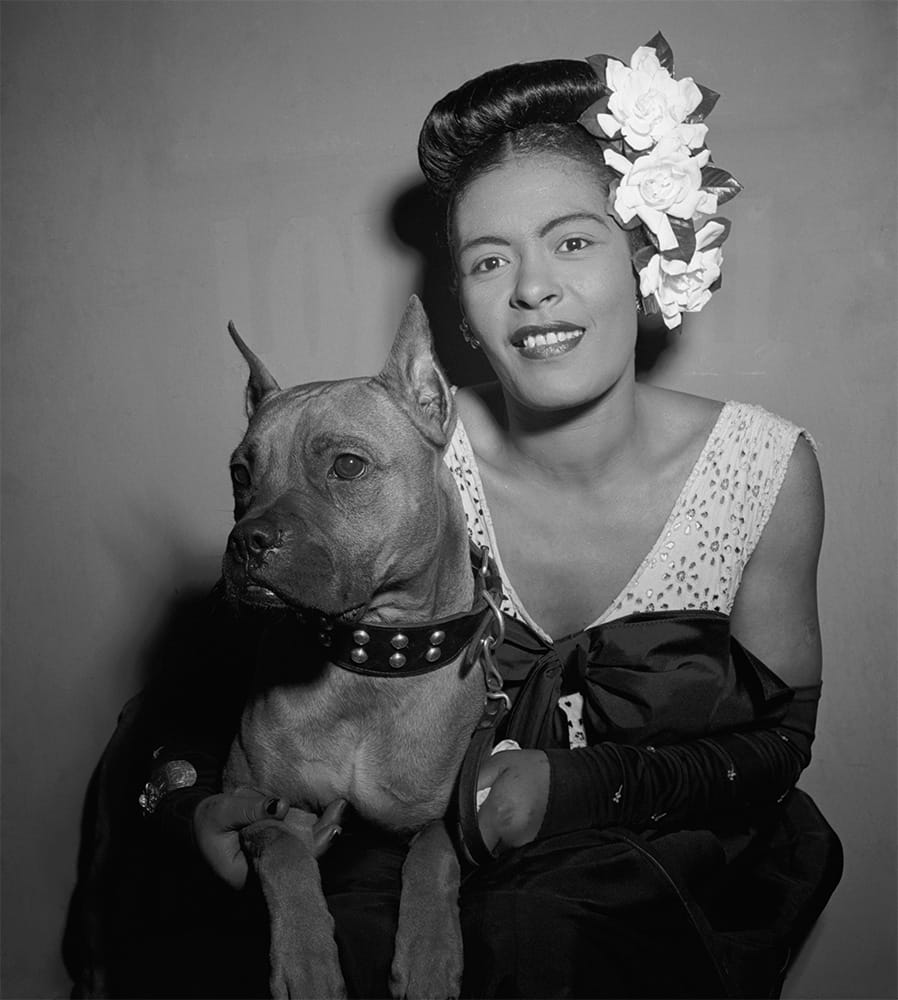
Billie Holiday, affectionately known to fans as“Lady Day”, was one of jazz history’s most soulful and tragic singers. She did more than sing: she used her voice as an improvising instrument and reshaped the aesthetics of jazz and popular music.
A Talent Forged through Hardship (1915–1933)
Born in Philadelphia,Holidaywas originally namedEleanora Fagan. Her childhood was marked by poverty, the absence of her father, and early trauma. Those experiences later became the unmistakable undercurrent of melancholy in her voice. In the early 1930s, she began earning a living in Harlem nightclubs. Her distinctive sound caught the attention of legendary producerJohn Hammond, who discovered her. She then made her first recordings withBenny Goodmanand began her recording career.
The Golden Years and a Musical Soul Mate (1935–1942)
This was the peak ofHoliday’s artistry. She formed one of jazz history’s most moving musical partnerships with pianistTeddy Wilsonand tenor saxophone masterLester Young. She andLester Youngshared an almost telepathic understanding:Lestergave her the celebrated nickname“Lady Day”, and she returned the favor by calling him“Prez”(the President). Their closely intertwined performances in the studio set a high-water mark for the dialogue between voice and horn.
Strange Fruit and the Civil Rights Struggle (1939)
In 1939,Holidayfirst performedCafé Societyat New York’s《Strange Fruit》. The song’s stark account of the lynching of Black people in the American South made “strange fruit hanging from the southern trees” an unmistakable reference to the victims. Its political force led mainstream radio stations to ban it and helped makeHolidaya target of FBI surveillance for two decades. The song became both her signature recording and an enduring cultural monument of the early civil-rights movement.
Addiction, Legal Battles, and a Final Masterpiece (1943–1959)
From the late 1940s onward,Holidaystruggled with addiction, alcoholism, and abusive relationships. In 1947, a drug conviction sent her to prison. After her release, she lost her New York cabaret card, which barred her from performing in the city’s nightclubs and severely damaged her career. Yet hardship deepened her art. In 1958, she recorded the celebrated albumVervefor《Lady in Satin》. Her voice had grown rough, tired, and fragile, but it carried a depth of experience and feeling that was almost unbearably powerful. She died in New York in 1959 from complications of cirrhosis, aged 44, while under arrest.
3. Musical Style: The Art of Improvised Storytelling
-
Revolutionary Rhythmic Phrasing:Holiday: One of her greatest contributions was her command of rhythm. She often sang slightly behind the beat, using a relaxed but precise phrasing that made the lyrics feel like an intimate conversation. Her approach influenced later singers such asChet BakerandFrank Sinatra。
-
The Voice as an Instrument: She did not rely on a wide range or operatic power. Instead, she treated her voice like a trumpet or saxophone, using subtle glissandos, delicate changes in tone, and shifts of emphasis to turn each standard into a personal story.
-
Radical Honesty:Holidayonce said, “I never sing the same song the same way twice.” Each performance reflected the emotion of the moment. Her refusal to disguise pain made her a lasting emotional force in jazz.
In Summary: Billie Holidaywas jazz’s “suffering goddess.” With a voice marked by hardship, she showed that great art does not need perfect pitch; it needs a heart that is truly alive.
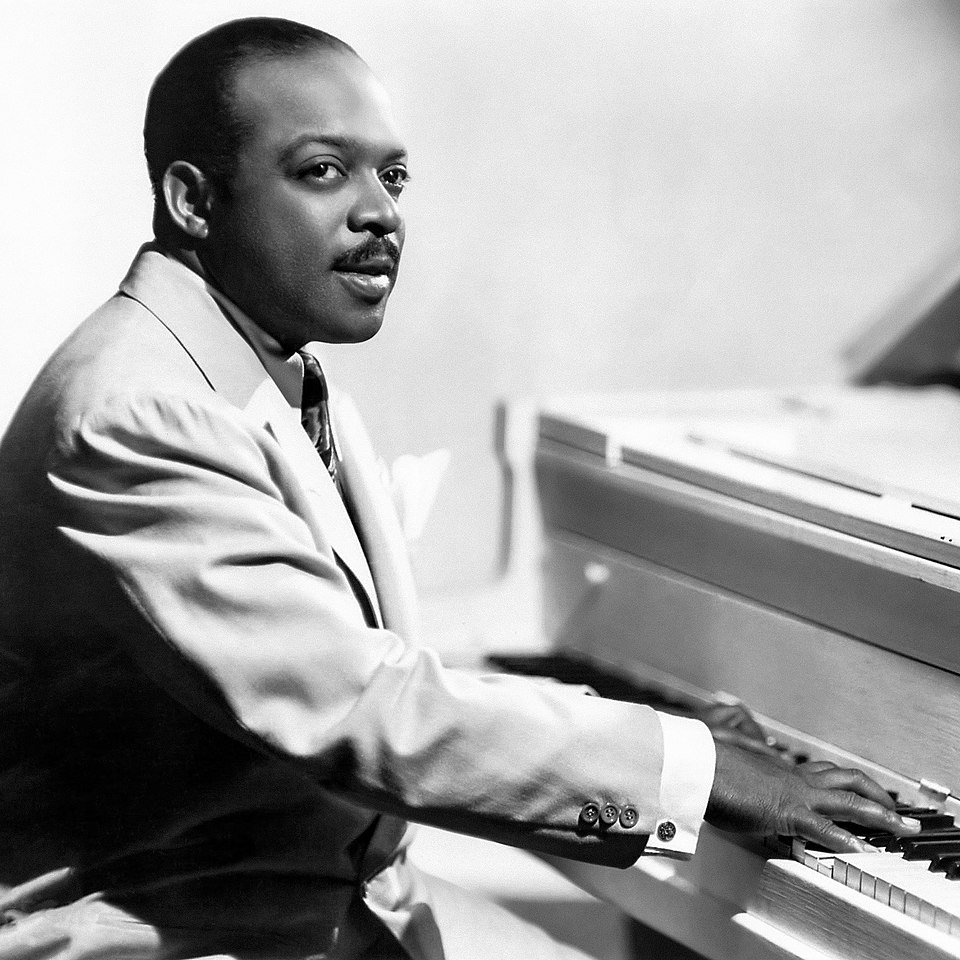
Count Basie
William James “Count” Basie (/ˈbeɪsi/; August 21, 1904 – April 26, 1984)
VocalistsCount Basie worked with some of the most famous singers of the 1950s and 1960s, helping keep big-band music alive and enriching his recordings. Jimmy Rushing sang with Basie in the late 1930s. Joe Williams toured with the band and appeared on One O’Clock Jump (1957) and Count Basie Swings, Joe Williams Sings (1956); their version of “Every Day (I Have the Blues)” became a hit. In 1959, Basie recorded Basie/Eckstine Incorporated with Billy Eckstine. Ella Fitzgerald made several memorable recordings with Basie, including Ella and Basie! (1963). Arranged by a young Quincy Jones and performed by the New Testament Basie Band, the album gave her a chance to relax into swing after years of Songbook recordings and touring. She toured with Basie in the mid-1970s, and the two reunited on A Classy Pair (1979), Digital III at Montreux, and A Perfect Match; the latter two were recorded live at Montreux. In addition to Quincy Jones, Basie hired arrangers such as Benny Carter (Kansas City Suite), Neal Hefti (The Atomic Mr. Basie), and Sammy Nestico (Basie–Straight Ahead).
Frank Sinatra first recorded with Basie on Sinatra–Basie in 1962. They worked together again on the 1964 studio album It Might as Well Be Swing, arranged by Quincy Jones. Jones also arranged and conducted the 1966 live album Sinatra at the Sands, recorded during Sinatra’s engagement with Count Basie and his orchestra at the Sands Hotel in Las Vegas. In May 1970, Sinatra and Basie performed at London’s Royal Festival Hall in a benefit for the National Society for the Prevention of Cruelty to Children. Sinatra later recalled: “I had a strange feeling those two nights might have been the greatest moments of my life. The performances were a great success and very exciting.” [80]
Basie also recorded with Tony Bennett in the late 1950s. Their joint albums included In Person and Strike Up the Band, and they toured together, including a performance at Carnegie Hall. Basie also recorded with Sammy Davis Jr., Bing Crosby, and Sarah Vaughan. One of his great regrets was never recording with Louis Armstrong, although they shared the stage several times. [81] In 1968, Basie and his band recorded the album Manufacturers of Soul with Jackie Wilson. [82]Legacy and Honors
was an American jazz pianist, organist, bandleader, and composer. In 1935, he formed the Count Basie Orchestra and took it to Chicago for a long engagement in 1936, where the band made its first recordings. He led the orchestra for nearly 50 years and introduced many innovations, including two “split” tenor saxophone sections, an emphasis on the rhythm section and big-band improvisation, the use of arrangers to broaden the band’s musical style, and his own minimalist piano approach.
Under his leadership, many musicians came to prominence, including tenor saxophonists Lester Young and Herschel Evans; guitarist Freddie Green; trumpeters Buck Clayton and Harry “Sweets” Edison; trombonist Al Grey; and singers Jimmy Rushing, Helen Humes, Dennis Rowland, Thelma Carpenter, and Joe Williams.
As a composer, Basie is known for jazz standards such as “Blue and Sentimental,” “Jumpin’ at the Woodside,” and “One O’Clock Jump.”
The Count Basie Theatre in Red Bank, New Jersey
Basie introduced big-band music to generations of listeners and left a far-reaching repertoire. People who worked with him remembered him as humble, easygoing, full of life, humorous, and always passionate about music. In his autobiography he wrote, “I think the band really swings when it plays easily, like cutting butter.”
The Count Basie Theatre, a former property on Monmouth Street converted into a live-performance venue in Red Bank, New Jersey, and Count Basie Field are named after him. He received an honorary doctorate from Berklee College of Music in 1974.
Mechanic Street, where he grew up with his family, has been given the honorary name Count Basie Way. In 2009, Edgecombe Avenue and West 160th Street in Manhattan’s Washington Heights neighborhood were renamed Paul Robeson Boulevard and Count Basie Place. The corner building at 555 Edgecombe Avenue, also known as the Paul Robeson Residence, is a National Historic Landmark where Basie also lived.
Basie was inducted into the New Jersey Hall of Fame in 2010 and the Blues Hall of Fame in 2019. WordPress 3.7, released in October 2013, was code-named “Count Basie.” Asteroid 35394 Countbasie, discovered by astronomers at Kiso in 1997, was named after him. The Minor Planet Center published the official naming citation on November 8, 2019 (MPC 118220). Basie’s star on the Hollywood Walk of Fame is at 6508 Hollywood Boulevard in Hollywood, California.
Ella Fitzgerald
Biography
Born: 25 April 1917 in Newport News, Virginia, USA.
Died: 15 June 1996 in Beverly Hills, California, USA (aged 79).
Dubbed 'The First Lady Of Song', Ella Fitzgerald was the most popular female jazz singer in the US for more than half a century. In her lifetime, she sold over 40 million albums and won 13 Grammy Awards:
- Best Jazz Performance, Individual for [m=514542]
- Best Vocal Performance, Female for [m=452934]
- Best Jazz Performance - Soloist for [m=243842]
- Best Vocal Performance, Female for But Not For Me from [m=303629]
- Best Vocal Performance Album, Female for [m=123332]
- Best Vocal Performance Single Record Or Track, Female for Mack The Knife from [m=123332]
- Best Solo Vocal Performance, Female for [m=260698]
- Best Jazz Vocal Performance for [m=243845]
- Best Jazz Vocal Performance for [m=260701]
- Best Jazz Vocal Performance, Female for [m=96849]
- Best Jazz Vocal Performance, Female for [m=519172]
- Best Jazz Vocal Performance, Female for [m=511661]
- Best Jazz Vocal Performance, Female for [m=734749]
Mother of jazz pianist/singer [a=Ray Brown Jr.], ex-wife of jazz double-bassist [a=Ray Brown].
Also known as: *Fitzgerald, E Fitzgerald, E. Fitzgerald, E.Fitzgerald, Ella, Ella "For Dancers", Ella "Satchmo" Fitzgerald, Ella F, Ella Fitgerald, Ella Fitsgerald, Ella Fitzerald, Ella Fitzgerald & Group, Ella Fitzgerald & Her Fellas, Ella Fitzgerald All Stars, Ella Fitzgerald And Her Fellas, Ella Fitzgerald Con Accomp. Orchestra, Ella Fitzgerald Quintet, Ella Fitzgeraldová, Ella Fitzgerals, Ella Fizgerald, Ella Fiztgerald, Ella Jane Fitzgerald, Ellla, Elly Fitzgerald, Ferdinand J. "Jelly Roll" Morton, Fitzgerald, Fitzgerald-E., Fitzjerald, Fritzgerald, LaQueen E. Fitzgerald, Miss Ella Fitzgerald, Only Ella, With The, Ела Фицджералд, Ела Фицџералд, Елла Фитцжерьльд, Э. Фитцджеральд, Э. Фицджеральд, Э.Фицджеральд, Эллa Фитцджepaльд, Элла Фитцджеральд, Элла Фитцжеральд, Элла Фицджералд, Элла Фицджеральд, Элла Фицжеральд, エラ, エラ・フィッツジェラルド
Links:
- https://www.ellafitzgerald.com/
- https://www.instagram.com/firstladyofsong/
- https://www.youtube.com/ellafitzgerald
- https://www.facebook.com/EllaFitzgerald
- https://x.com/EllaFitzgerald
- https://www.allmusic.com/artist/ella-fitzgerald-mn0000184502
- https://en.wikipedia.org/wiki/Ella_Fitzgerald
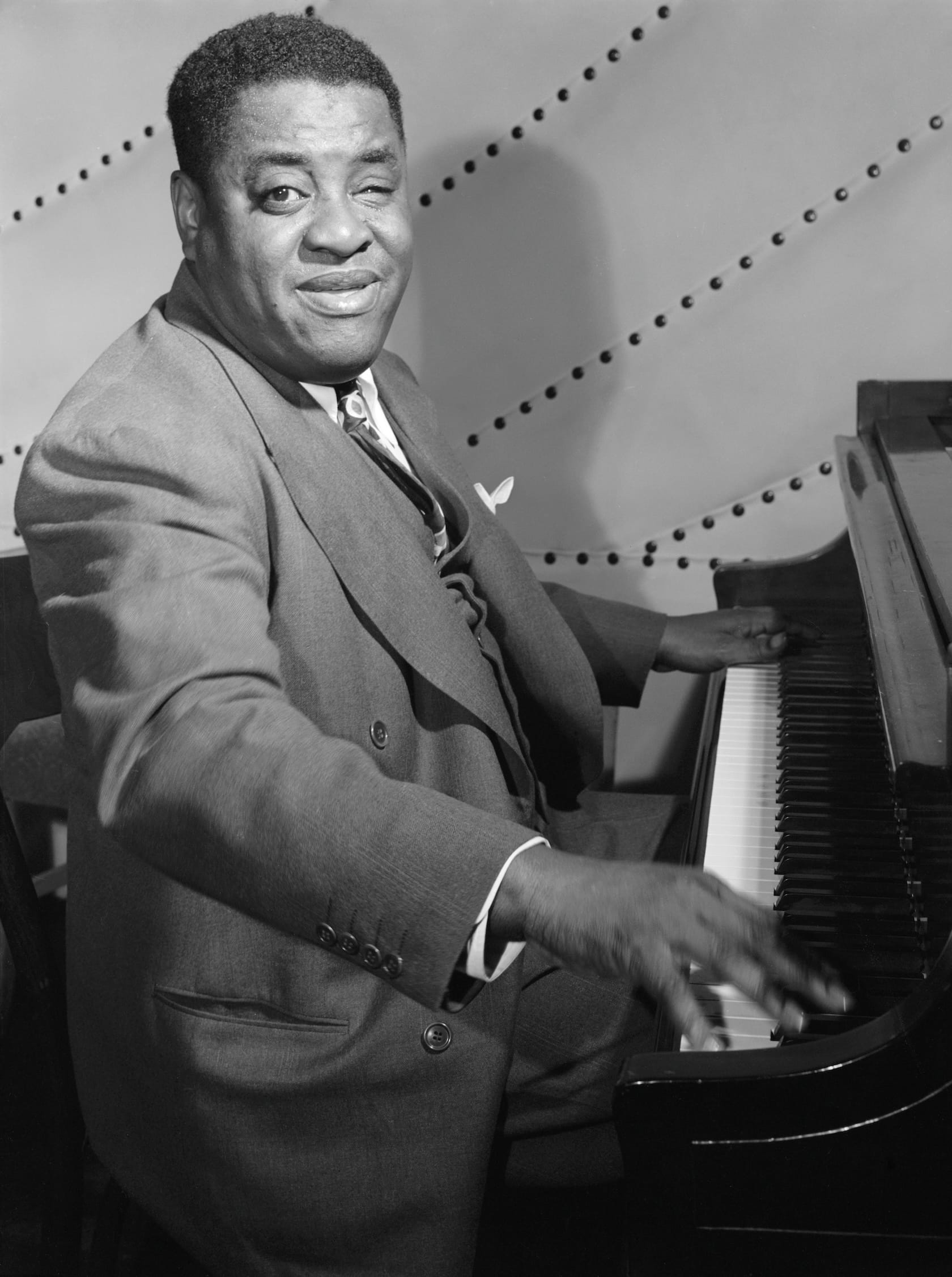
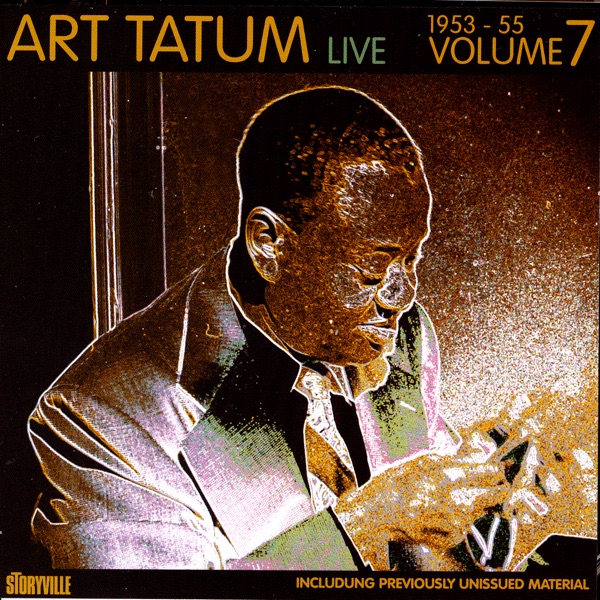
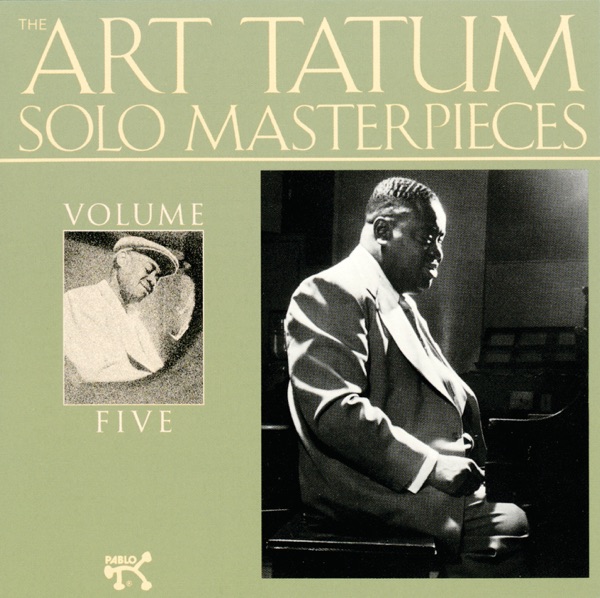
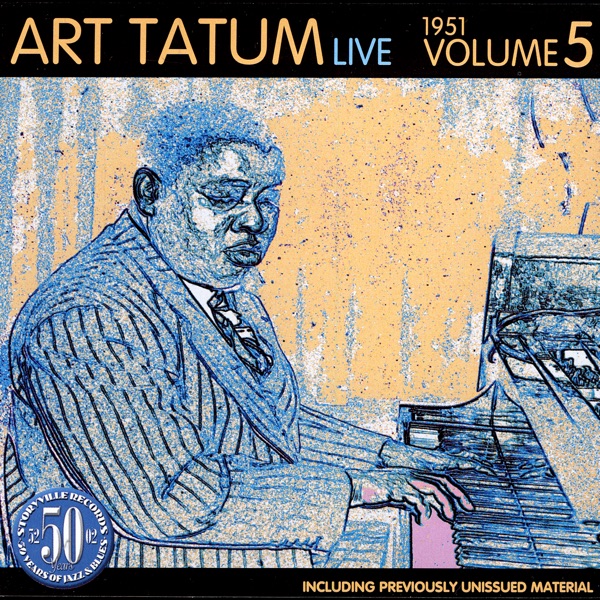
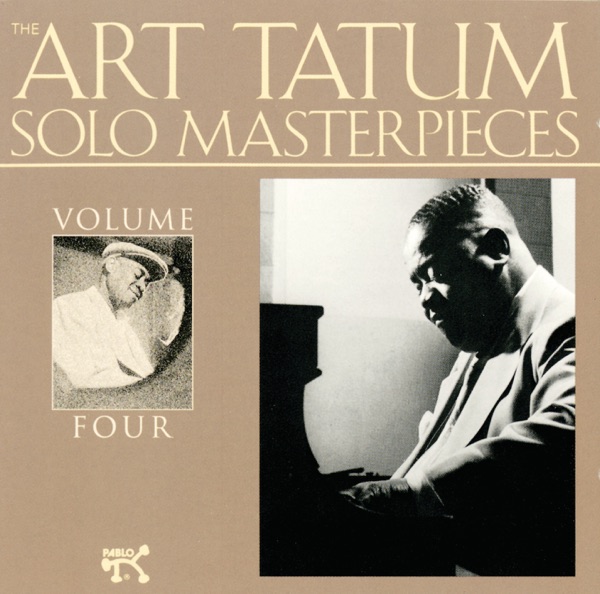
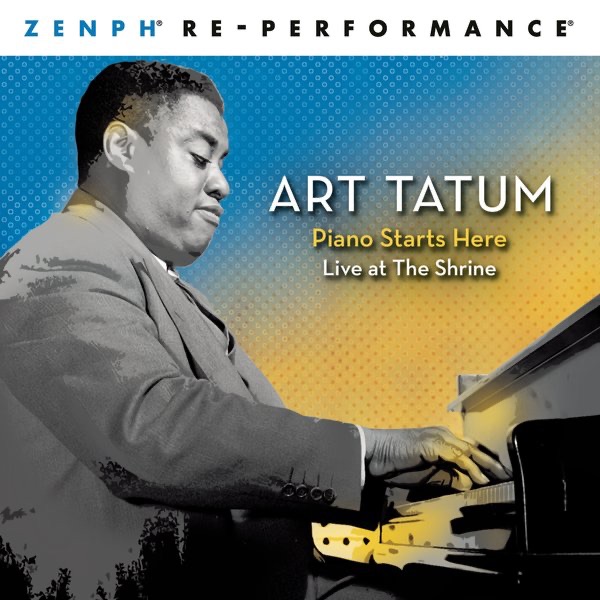
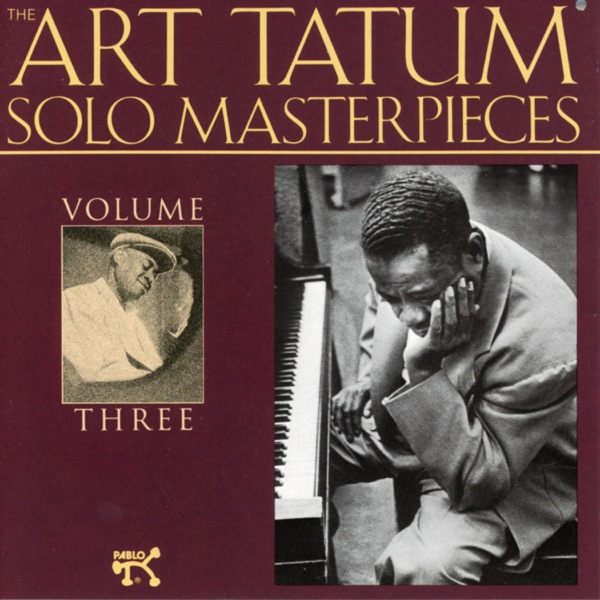
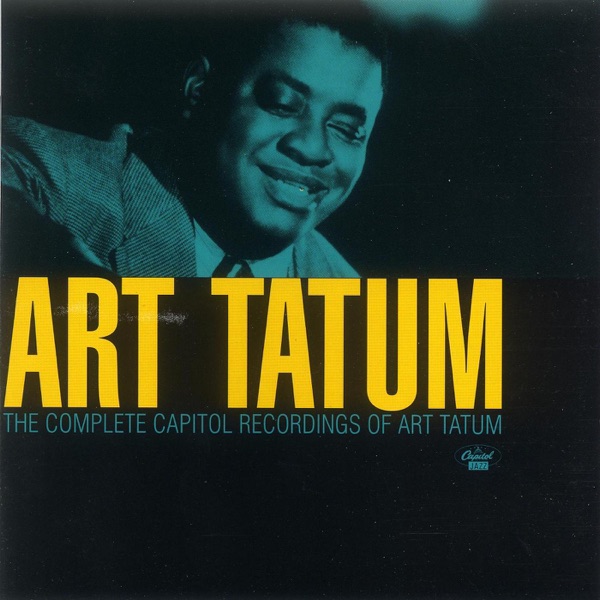
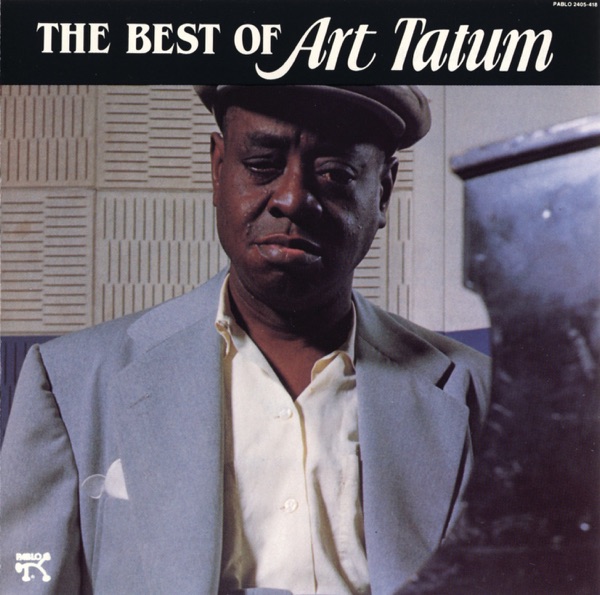
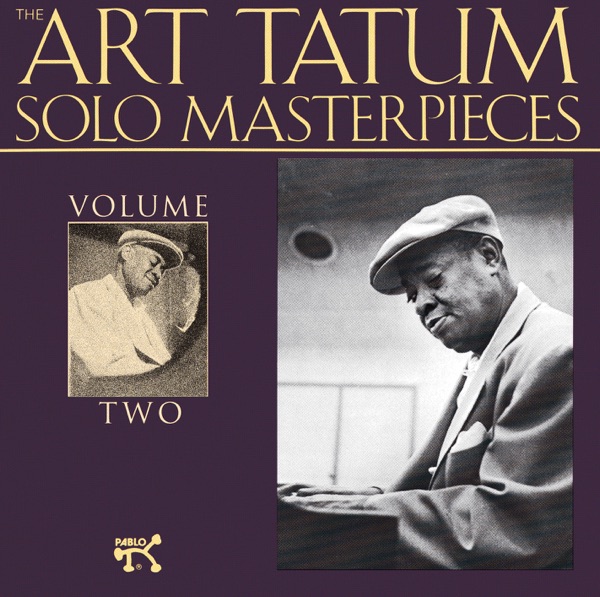
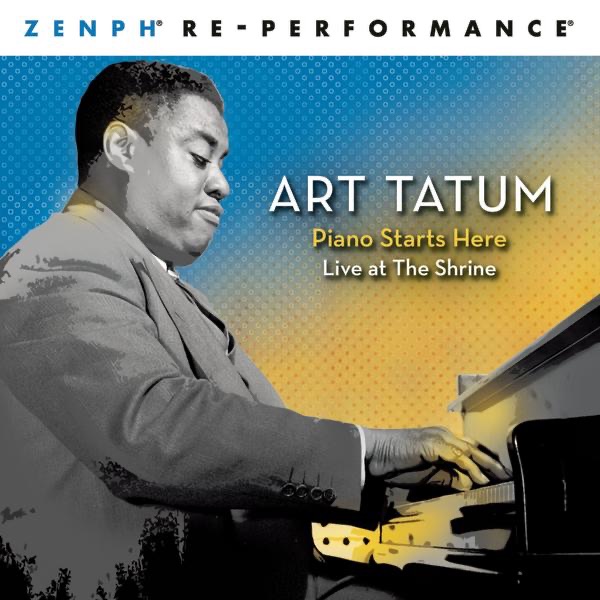
Art Tatum
Art Tatum (1909–1956)
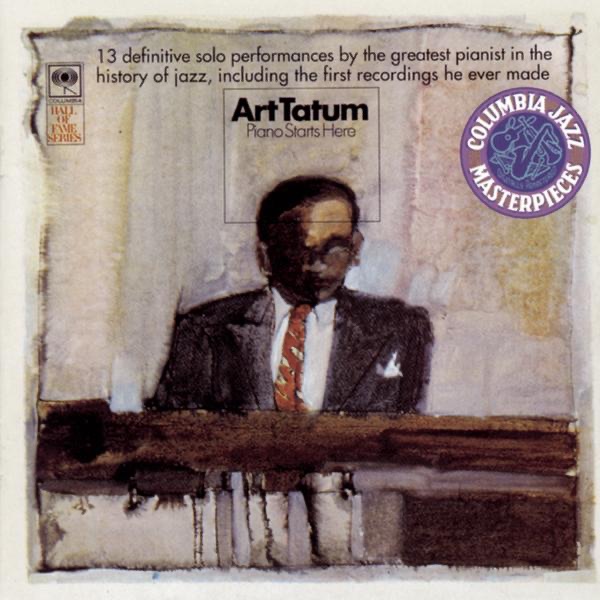
Widely regarded as one of the greatest jazz pianists ever, Tatum was a virtuoso whose playing astonished even classical masters of his day, including Vladimir Horowitz.
1. Visual Impairment and the Awakening of a Prodigy
-
A Physical Challenge: Born in Ohio, Tatum had severe cataracts from childhood. Despite several operations, he was blind in one eye and had only very limited vision in the other.
-
Self-Taught: He began by learning from player-piano rolls. Some recordings he studied had been made by two pianists playing four hands, but he assumed they were played by one person. The misunderstanding helped him develop astonishing speed and complex voicings that sounded as if two pairs of hands were playing at once.
2. “God” Arrives in New York
-
A Sensation in the Jazz World: In 1933, Tatum came to New York for a legendary stride-piano cutting contest. He easily defeated James P. Johnson and Fats Waller, two of the reigning piano greats.
-
The Highest Praise: Waller left behind a famous line that night: “I’m just a piano player, but God is in the house.” From then on, Tatum was known in jazz circles as “God.”
3. Recordings and the Trio
-
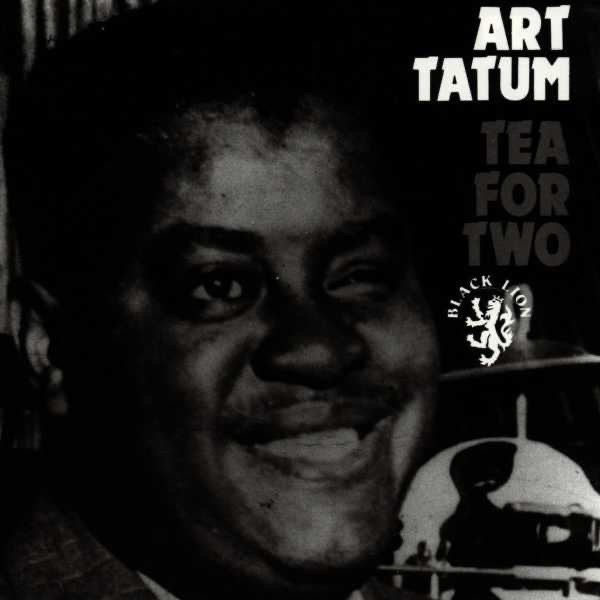
A Technical Revolution: His celebrated “Tea for Two” demonstrates sophisticated harmonic substitutions and rapid ornamentation rarely heard in the 1930s.
-
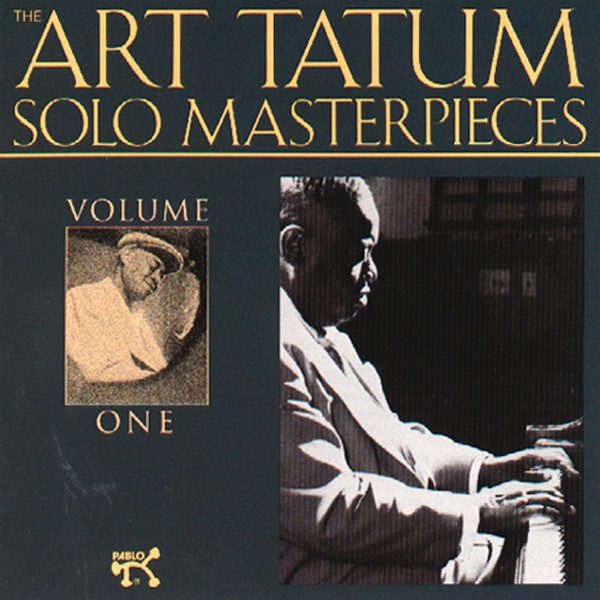
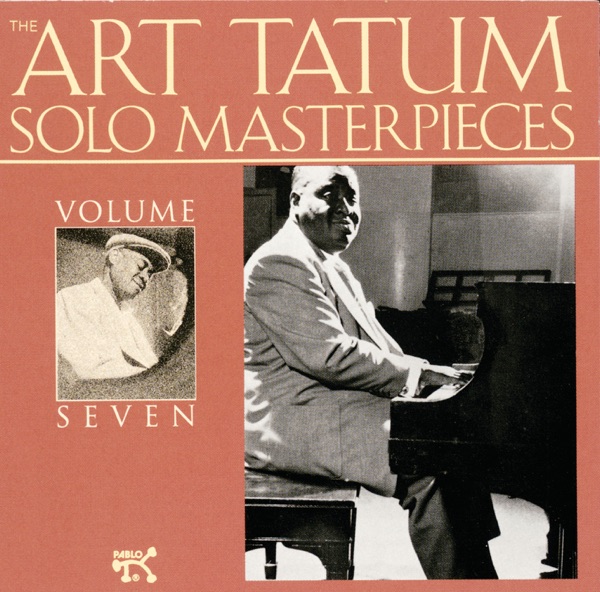
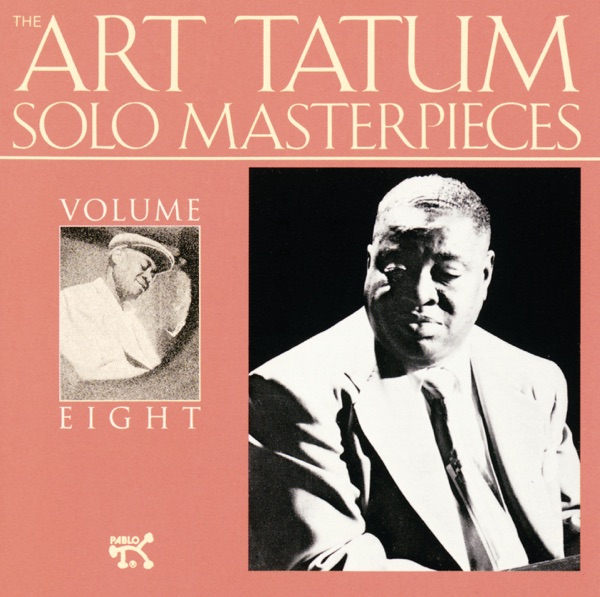
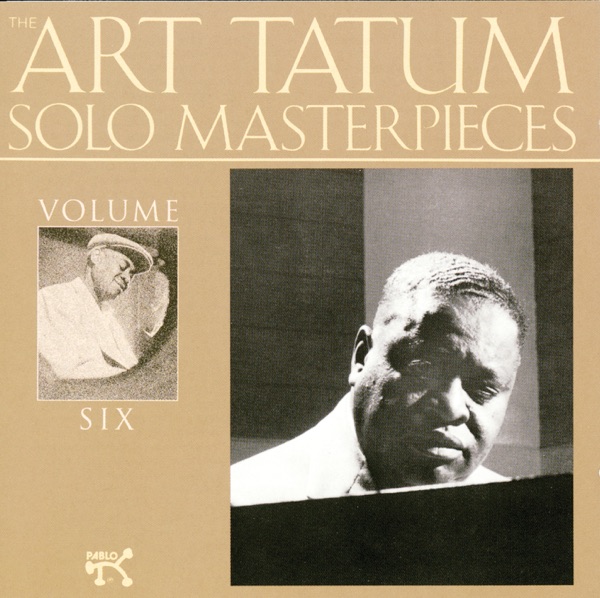
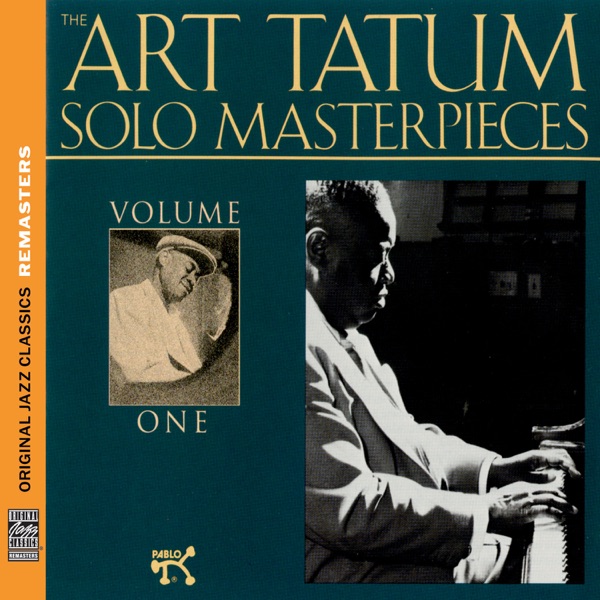
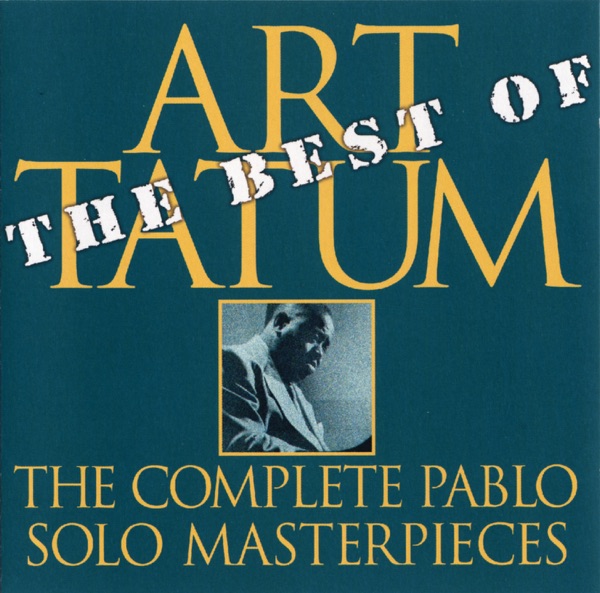
Trio and Solo Work: In the 1940s, Tatum formed a highly popular trio. In the last years of his life, he recorded an extensive series of solo performances for Norman Granz, later issued as The Solo Masterpieces. They remain an encyclopedia of jazz piano.
4. Death and Legacy
-
Tatum died of uremia in Los Angeles in 1956, aged 46.
Musical Style: The Limits of Human Possibility
-
Crystal-Clear Precision: Tatum’s fingers moved at remarkable speed, while every note retained perfect clarity and control. His runs have been called “waterfalls of ornamentation.”
-
Harmonic Thinking Ahead of Its Time: The substitutions and frequent modulations he used in the 1930s anticipated the harmonic foundations of modern jazz and bebop in the 1940s.
-
Complete Independence: His hands could manage extraordinarily complex counterpoint and rhythmic shifts independently, allowing him to create the depth of an entire orchestra as a soloist.
In Summary:Art Tatum was jazz’s“Mount Everest”. He demonstrated the limits of speed, logic, and beauty that a human being could reach on the piano.
An Aesthetic Reflection: For a designer interested in structural precision, Tatum’s music is the sound ofadvanced topology—extreme complexity held in perfect balance and logic.
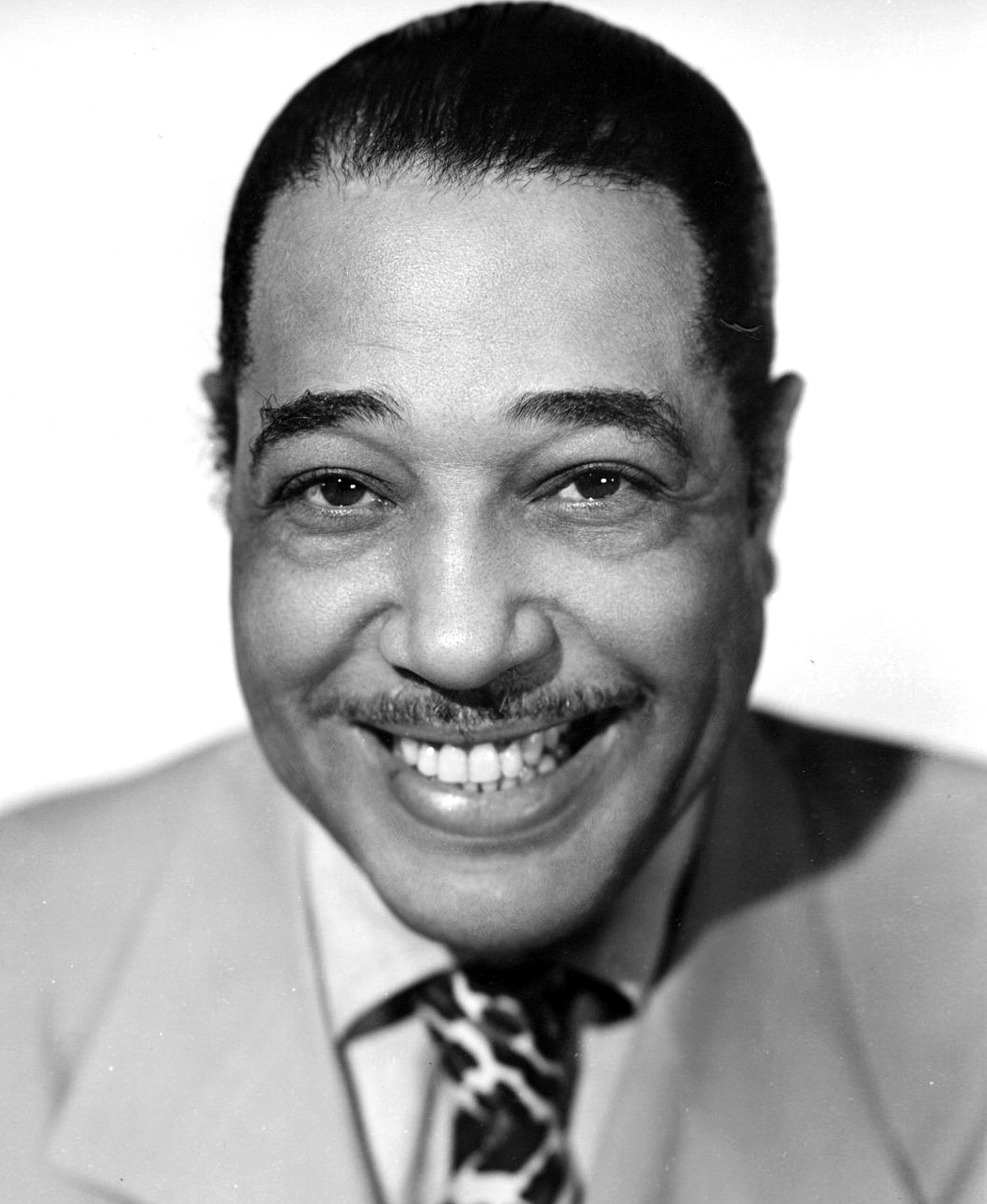
Duke Ellington
After discussing Hawkins and Dizzy, we arrive at one of the greatest creative forces in jazz history—Duke Ellington (1899–1974)。
If others were great performers, Duke was a greatcomposer and painter. He brought jazz from the clubs to Carnegie Hall and raised it to the level of an art form alongside classical music.
1. An Elegant Start and the Cotton Club (1899–1930s)
-
An Aristocratic Nickname: Born into a middle-class family in Washington, D.C., Ellington was called “Duke” by his classmates from childhood because of his elegant manner and dress.
-
The Jungle Style: In 1927, his orchestra began a residency at Harlem’s celebratedCotton Club. To accompany the club’s revues, he used brass mutes to create sounds that imitated animal calls, establishing the distinctive early style that became known as “jungle music.”
2. The Orchestra as an Instrument (1940s)
-
Writing for Individual Musicians: Ellington’s greatest innovation was that he did not write simply for “the tenor saxophone”; he wrote for “Ben Webster.” He knew each musician’s sound and tailored his music to the people in his orchestra.
-
Masterpieces: This period produced many lasting classics, including “Take the ‘A’ Train,” written by his creative partner Billy Strayhorn; “It Don’t Mean a Thing (If It Ain’t Got That Swing)”; and the extended narrative work Black, Brown and Beige.
3. Rebirth at Newport (1956)
-
A Career Resurges: Big bands fell out of fashion in the 1950s, and Ellington’s career entered a difficult period. At the 1956Newport Jazz Festival, saxophonist Paul Gonsalves played an extended solo of 27 choruses that sent the crowd into a frenzy. Ellington returned to the top and appeared on the cover of Time magazine.
4. Later Years and Final Chapter (1960s–1974)
-
A Cross-Generational Pioneer: In his later years, Ellington composed three celebrated Sacred Concerts and recorded with younger musicians such as Charles Mingus and John Coltrane, demonstrating his remarkable openness.
-
Final Years: He died of pneumonia in 1974. More than 12,000 people attended his funeral, marking the end of an era.
Artistic Style: Jazz as a Painter’s Palette
-
A Sense of Color: Ellington had an exceptional ear for timbre. He liked combining unlikely instruments—for example, clarinet with a muted trumpet—to create new and unexpected colors.
-
Beyond Categories: He disliked the label “jazz” and preferred to call his music“beyond category”. His work could be as grand as a big band and as nuanced as Impressionist music.
In Summary
Duke Ellington was jazz’s“Monet”. He used the big band as his paintbrush, layering colors across the canvas of time.
Connections: As you may know,Coleman HawkinsandDexter Gordonboth recorded tribute albums to Duke late in their careers. Ellington was a great tree whose shade sheltered nearly every modern jazz musician.
As a designer, you may appreciate Ellington’s command ofstructure and color: he never relied on force for its own sake, but pursued precise emotional expression.
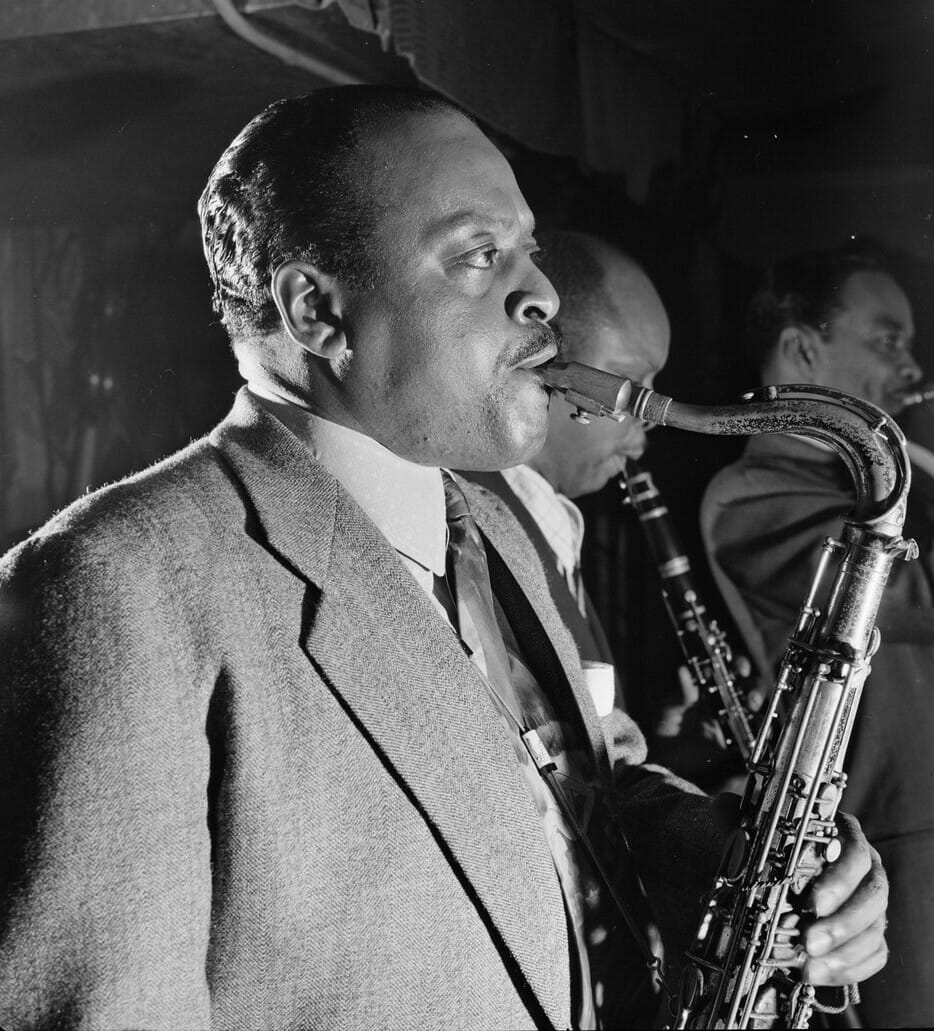
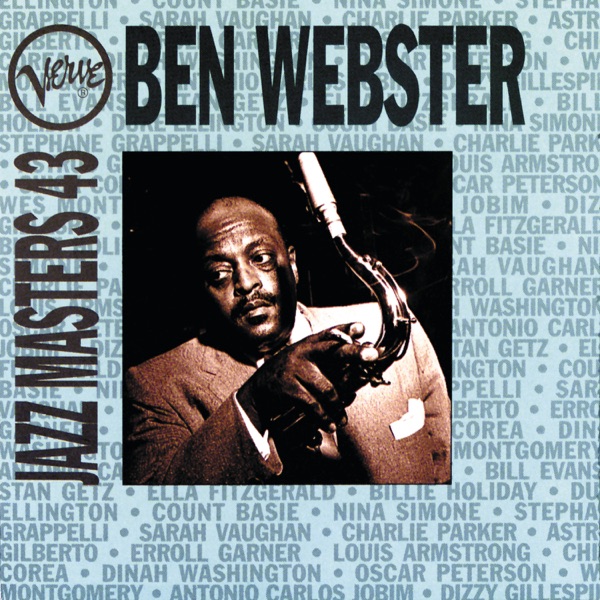
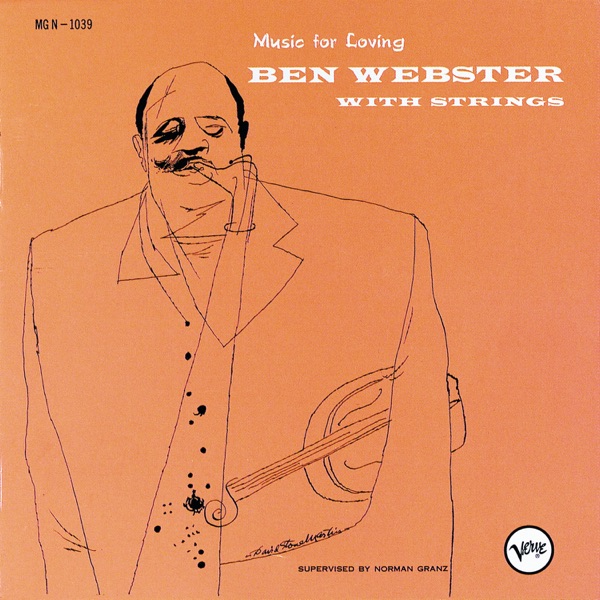
Ben Webster
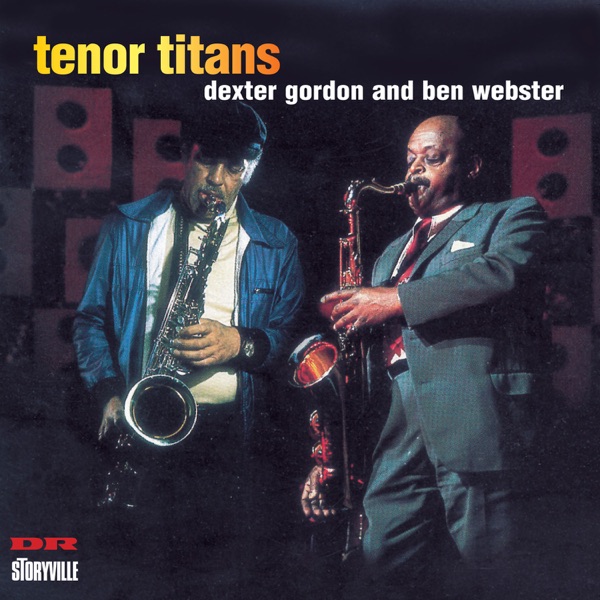
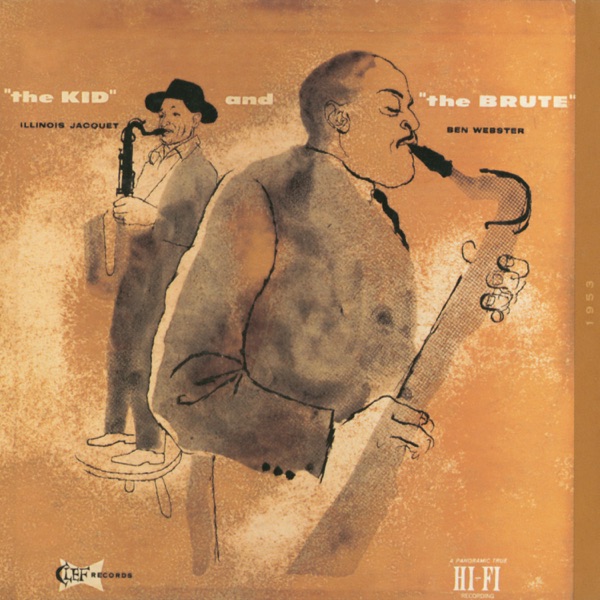
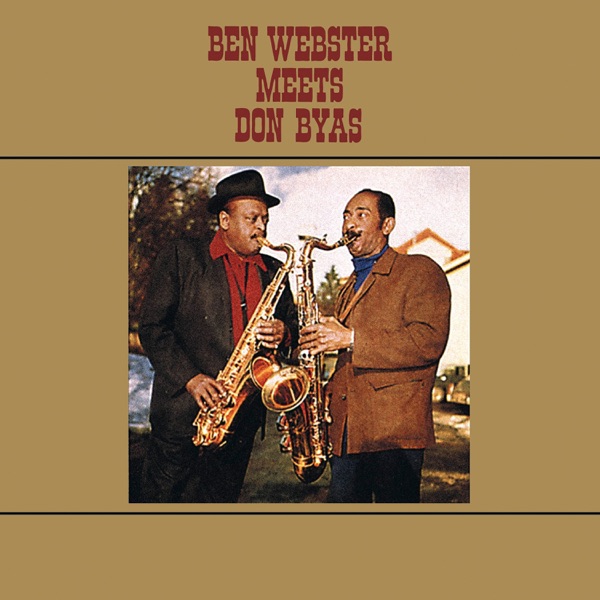
Benjamin Francis Webster (March 27, 1909 – September 20, 1973) was an American jazz tenor saxophonist. He performed in the United States and Europe and recorded with many artists, including Duke Ellington, Billie Holiday, and Johnny Hodges.
Early Life and Career
Webster was born in Kansas City, Missouri. He studied violin, learned blues piano from Pete Johnson, and studied saxophone with Bud Johnson. He performed with Lester Young in Young’s family band, recorded with Blanche Calloway, and joined Benny Moten’s orchestra, appearing alongside Count Basie, Hot Lips Page, and Walter Page. In the 1930s, he played in bands led by Willie Bryant, Benny Carter, Cab Calloway, Fletcher Henderson, Andy Kirk, and Teddy Wilson.
With Ellington
From 1940, Webster was a soloist with Duke Ellington’s orchestra and recorded “Cotton Tail.” He considered the orchestra’s alto saxophonist Johnny Hodges a major influence. In 1989, Gunther Schuller wrote that Hodges had led Webster away from his earlier Coleman Hawkins-inspired style. Webster was close to Ellington band newcomers Jimmy Blanton and Billy Strayhorn.
Webster’s temperament, however, made him difficult for most of the band and Ellington himself to deal with. Mercer Ellington recalled that his father and the saxophonist argued whenever they were in the same room. Webster cried when he heard that Blanton had died, but, as baritone saxophonist Harry Carney remembered, “after a drink or two, he changed.” Webster left the band in 1943. One story says that, among his last acts as an Ellington band member, he slashed one of Ellington’s sports jackets with a razor. Clark Terry said Webster left after slapping Ellington.
Later Career in the United States
Webster worked on New York’s 52nd Street, frequently recording as both a leader and a sideman. During this period he worked with Raymond Scott, John Kirby, Bill DeArango, Sid Catlett, Jay McShann, and Jimmy Witherspoon. In 1948, he briefly returned to Ellington’s orchestra for a few months.
In 1953, he recorded The Consummate Artistry of Ben Webster (later known as King of the Tenors) with pianist Oscar Peterson, who remained an important collaborator for the next decade. Webster toured and recorded with Peterson, trumpeter Harry “Sweets” Edison, and others through Jazz at the Philharmonic. In 1956, he recorded an album with pianist Art Tatum. On December 16, 1957, he made The Hunt with Coleman Hawkins alongside fellow tenor saxophonist Coleman Hawkins.
In the late 1950s, Webster formed a quintet with Gerry Mulligan that frequently played at the Renaissance Club in Los Angeles. In 1959, the quintet—with pianist Jimmy Rowles, bassist Leroy Vinnegar, and drummer Mel Lewis—recorded Gerry Mulligan Meets Ben Webster.
In Europe
In late 1964, Webster moved to Europe and performed as he pleased. He lived in London, Scandinavia, and Amsterdam before settling in Copenhagen in 1969. In 1971, he reunited with Duke Ellington and the orchestra for several performances in Copenhagen. He also made a live recording in France with Earl Hines.
In September 1973, Webster suffered a stroke in Amsterdam and died on September 20. His body was cremated in Copenhagen, and his ashes were buried at Assistens Cemetery.
Webster’s private collection of jazz recordings and memorabilia is held at the University Library of Southern Denmark. He played the same saxophone from 1938 until his death and stipulated in his will that it should never be played again. The instrument is now on display at the Institute of Jazz Studies at Rutgers University. A street in Copenhagen is also named Ben Webster Vej in his honor.
The Ben Webster Foundation
After Webster’s death, Billy Moore Jr. and the estate’s trustees established the Ben Webster Foundation. It was formally approved in 1976 to support jazz in Denmark. The foundation uses Webster’s annual royalties to fund musicians in Denmark and the United States, and awards the prestigious Ben Webster Prize each year to an outstanding young musician. Its board, made up of Webster’s close friends and admirers, oversees his artistic rights and the reissue of his recordings.